
What is Tongue Tie and Does Your Baby Have it?
Written by guest poster Sammy Berry, a qualified midwife and frenulotomist (tongue tie specialist)
The lingual frenulum is a small band of tissue found on the underside of the tongue and is connected to the floor of the mouth – you have one right? It’s normal anatomy.
So what is a tongue-tie?
A tongue-tie, also known as Ankyloglossia, presents itself where the lingual frenulum is found to be a short, tight and sometimes thick membrane restricting the normal movement and function of the tongue.
The function of the tongue is what’s important NOT the appearance of the frenulum.
You may have heard of different types of tongue-ties…. Anterior? Posterior? Or submucosal?
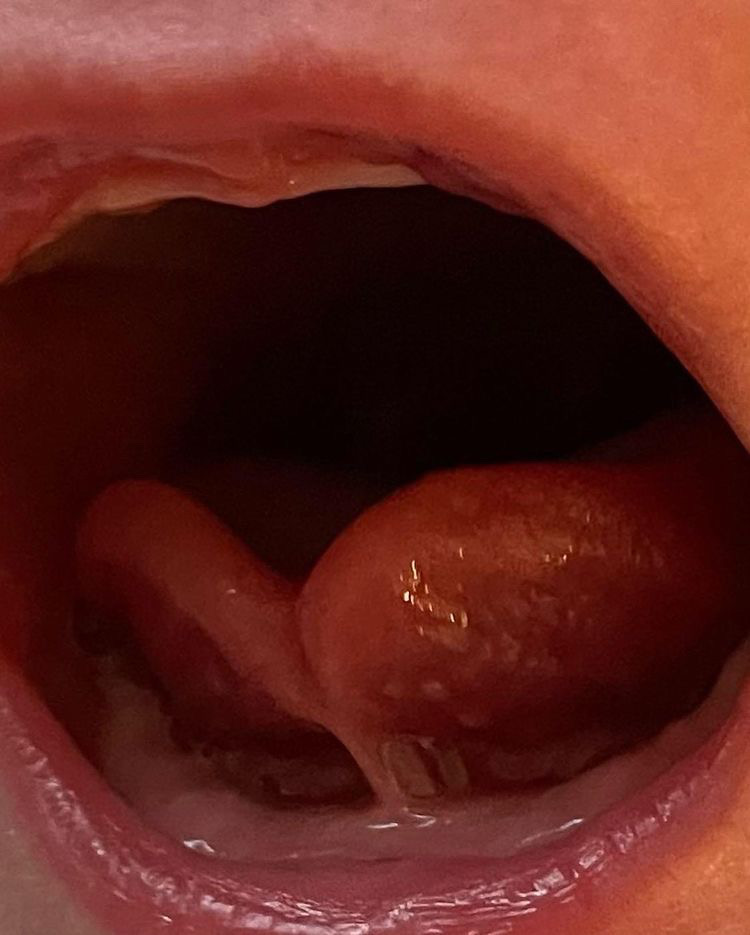
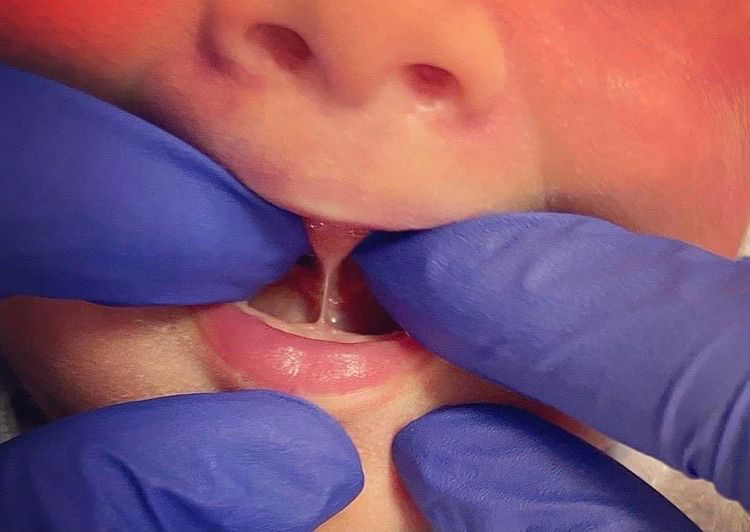
Anterior Tie
An anterior frenulum is where the tip is attached close to, or at the tip of the tongue. These are often easy to spot and the tongue can often appear heart shaped.
Posterior Tie
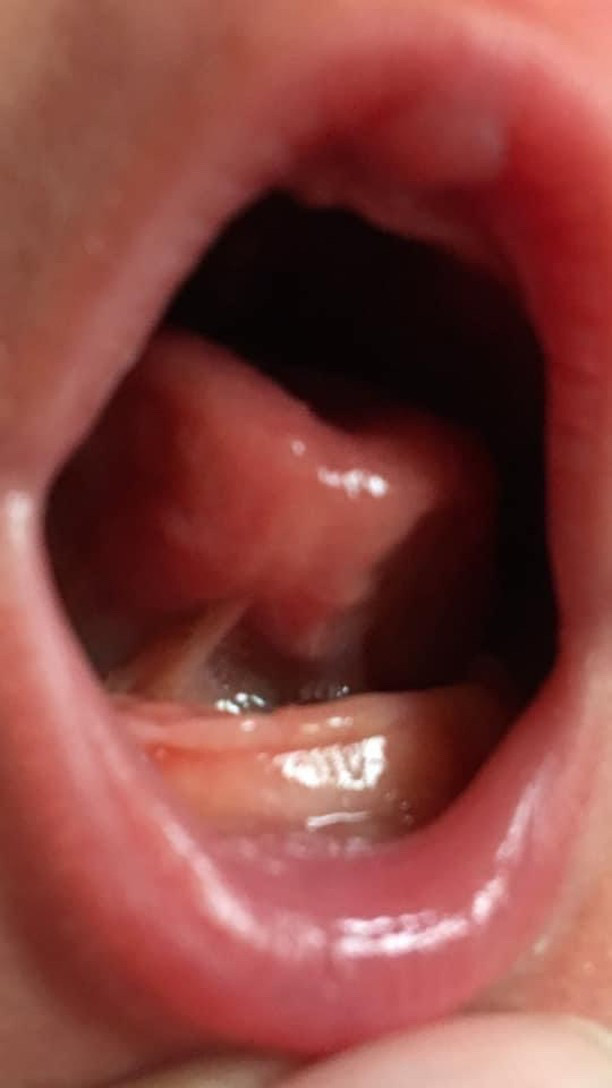
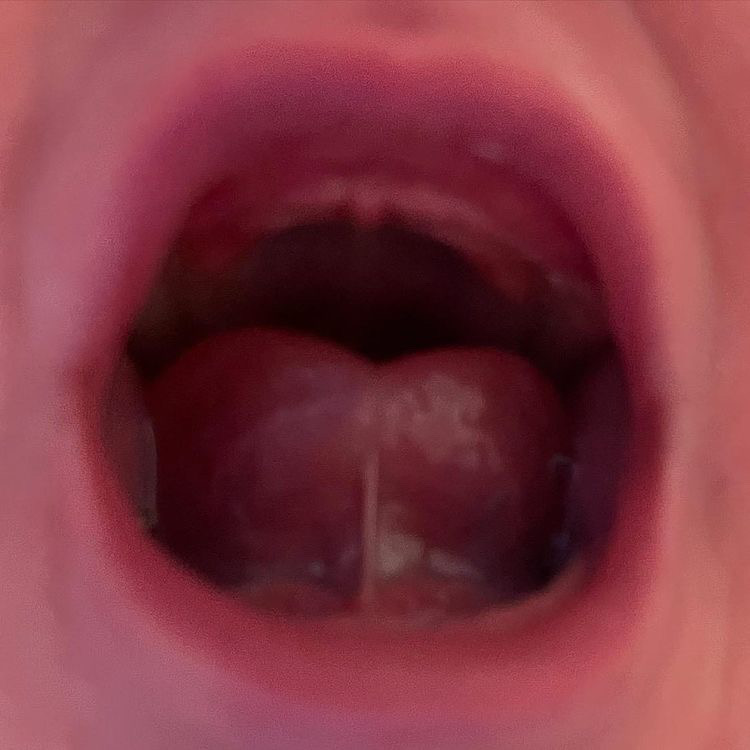
A posterior tie…. These are the ones that are easy to miss.
The frenulum is often hidden at base of the tongue and can be found by lifting the tongue or sweeping a finger laterally underneath the back of the tongue.
Here you would feel a ridge / resistance.
Whilst these are not so visible they can and do prevent babies from feeding effectively too!
Submucosal Tie
A submucosal tie is found under the lining of the mouth. These too can cause many feeding difficulties, with sometimes worsening symptoms due to them going undetected for some time.

It’s important to note that all of these ‘different types’ are anatomical and do not relate to how badly the tongue-tie will affect feeding.
Essentially a tongue-tie is a tongue-tie and is one continuous structure therefore the terminology anterior, posterior or submucosal is irrelevant and can just become confusing or worrying for parents.
There is actually no universally agreed way of classifying a tongue-tie (Oakley, S. 2017).
Classifying the appearance of the tongue frenulum by lifting the tongue or visualising the frenulum is not an accurate way to diagnose a tongue-tie (Lee, K. 2019).
Just because a frenulum is visible does not mean a baby’s tongue function is restricted and symptoms of a tongue-tie may also be as a result of another cause for example birth trauma, low muscle tone, positioning and attachment.
If you or your baby are showing signs and symptoms of a tongue tie seek support from a lactation consultant and/or an osteopath.
If symptoms do not improve then your baby needs a functional oral assessment by a tongue-tie specialist (frenulotomist).
Written by: Sammy Berry

In 2011, Sammy qualified as a midwife and has since worked full time within the NHS. After experiencing tongue tie with all three of her children, she developed a great interest and passion in supporting breastfeeding mothers in overcoming the challenges a tongue tie can bring. Having studied a postgraduate specialist course ‘Advanced clinical skills in tongue-tie (Ankyloglossia) management’ at the University of Wolverhampton, she completed her practical training under the supervision of a consultant neonatologist and an experienced midwife/ frenulotomist.
As well as providing frenulotomy within the NHS, Sammy also offers private practice. She regularly posts on her Instagram: @tonguetiespecialist